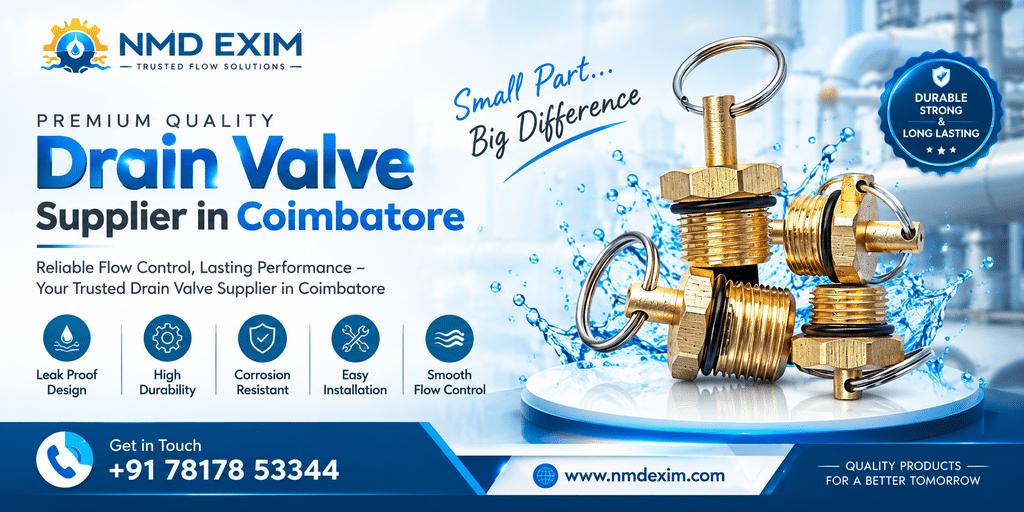
Drain Valve Supplier in Coimbatore
Introduction
Our journey began in 2017 as NILKANTH METAL, with a focus on precision manufacturing and dependable quality. In 2024, we embraced a new identity as NMD EXIM, carrying the same commitment to craftsmanship into a wider world of business opportunities.
Drain valves are important components used in industrial systems to remove unwanted water, liquids, and accumulated waste from tanks, pipelines, boilers, compressors, and other equipment. They help maintain smooth operations, improve system efficiency, and support regular maintenance. Selecting the right drain valve is essential for industries that require reliable liquid control and safe drainage.
If you are searching for a dependable Drain Valve Supplier in Coimbatore, choosing a supplier that understands industrial requirements can make a significant difference. A suitable drain valve should offer reliable performance, easy operation, and compatibility with the working conditions of the application.
NMD EXIM is a company to consider when sourcing industrial components for different applications. With a focus on customer requirements and product selection, NMD EXIM aims to help businesses find suitable solutions for their industrial needs. Whether you need drain for maintenance, liquid discharge, or industrial fluid-handling systems, choosing the correct product is an important step toward efficient operations.
What Is a Drain Valve
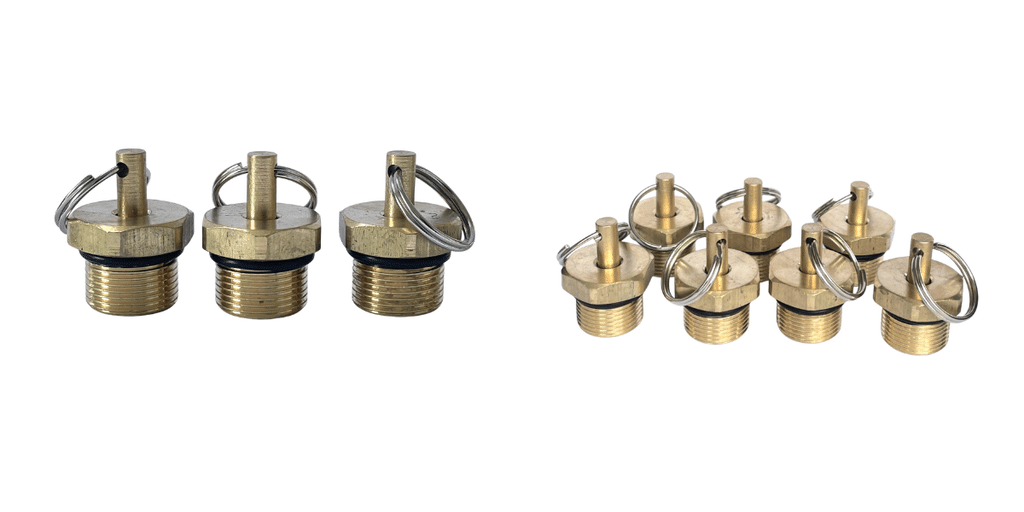
A drain valve is a mechanical device designed to release accumulated liquids from a system. It is commonly installed at the lowest point of a tank, pipeline, or machine where water or other liquids may collect. Drain allow operators to remove unwanted liquid without dismantling the complete system. Depending on the design, they may be operated manually or automatically.
These valves are used in manufacturing plants, water treatment facilities, commercial buildings, workshops, and several other industries. They are available in different materials, sizes, connection types, and pressure ratings to meet various requirements. When selecting a drain buyers should consider the type of liquid, operating temperature, pressure, installation space, and frequency of operation.
Importance of Choosing the Right Drain Valve Supplier in Coimbatore
Coimbatore is an important industrial centre in Tamil Nadu, with businesses operating in engineering, textile manufacturing, automotive components, pumps, machinery, and other sectors. These industries often require dependable valves and fluid-handling components for their daily operations.
- Product selection: Finding a drain that matches the intended application.
- Material guidance: Understanding which material is suitable for the liquid and environment.
- Size and connection options: Selecting compatible connections for existing pipelines or equipment.
- Product specifications: Checking pressure ratings, temperature limits, and operating requirements.
- Procurement support: Making it easier to source the required components for maintenance or new installations.
Before placing an order, buyers should confirm the available specifications, quantity, delivery schedule, and compatibility with their system. Choosing the right Drain Valve Supplier in Coimbatore helps buyers identify products that suit their equipment and working conditions.
Types of Drain Valves
1. Manual Drain Valves
Manual drain are operated by hand to release liquid from a pipeline, tank, or other equipment. They are commonly used in applications where drainage is required occasionally rather than continuously.
- Water storage tanks
- Industrial pipelines
- Air compressor systems
- Small manufacturing units
- General plumbing systems
2. Automatic Drain Valves
Automatic drain valves remove accumulated liquid without requiring constant manual operation. They are particularly useful in compressed air systems, where moisture can collect inside filters, receivers, and air lines.
- Reduces manual intervention
- Helps remove accumulated condensate
- Supports compressed air system performance
- Can reduce the risk of moisture-related equipment problems
3. Ball-Type Drain Valves
Ball-type drain use a rotating ball with a hole through its centre to control liquid flow. Turning the handle aligns the opening with the pipeline to allow drainage or rotates it to stop the flow.
- Water tanks
- Industrial fluid systems
- Cooling water lines
- Equipment drainage points
- General-purpose liquid handling
4. Needle Drain Valves
Needle drain valves use a slender, tapered stem to control the passage of fluid. They are suitable for applications requiring more precise flow adjustment than a typical full-port ball provides.
- Pressure measurement systems
- Instrumentation lines
- Sampling points
- Small fluid circuits
- Laboratory equipment
5. Solenoid Drain Valves
Solenoid drain valves use an electrically operated coil to open or close the valve. Depending on their configuration, they can be integrated with timers or control systems to automate the drainage process.
- Air compressors
- Industrial air dryers
- Pneumatic equipment
- Automated production lines
- Filtration systems
6. Condensate Drain Valves
Condensate drain are designed to remove water that forms when moisture condenses in compressed air systems or other equipment. They help prevent unwanted water accumulation in air receivers, filters, dryers, and pipelines.
- Helps remove collected moisture
- Supports compressed air quality
- Reduces water accumulation in equipment
- Helps protect downstream pneumatic components
Applications of Drain Valves
1. Industrial Manufacturing Units
Drain valves are widely used in manufacturing plants to remove collected liquids from tanks, pipelines, processing equipment, and storage systems. They help maintain clean equipment and reduce the risk of liquid accumulation during production.
2. Air Compressors and Pneumatic Systems
Air compressors often produce moisture during operation. Drain help remove accumulated condensate from air receivers, compressor tanks, and pneumatic lines. Proper drainage supports efficient compressed-air systems and helps reduce moisture-related equipment problems.
3. Water Treatment Plants
Water treatment facilities use drain valves to release collected water, remove sediment, and empty tanks or pipelines during cleaning and maintenance. These support routine servicing and help maintain the performance of water treatment equipment.
4. Chemical Processing Industries
Chemical plants require suitable drain valves to control the removal of process liquids from tanks, vessels, and pipelines. The material must be compatible with the liquid being handled, its temperature, and the operating pressure to support safe and reliable performance.
5. Food and Beverage Industries
Food processing and beverage production facilities use drain in tanks, liquid-handling equipment, and cleaning systems. Appropriate valve designs help with draining liquids and carrying out routine sanitation. Hygienic applications require suitable materials and designs that meet the facility’s cleaning requirements.
6. Pharmaceutical Industries
Pharmaceutical manufacturing plants use drain valves in liquid processing systems, storage vessels, and equipment cleaning operations. selected for these applications should meet the required hygiene, material compatibility, and cleaning standards.
7. Boiler and Steam Systems
Drain valves are used in boiler installations, steam pipelines, and condensate collection systems to remove accumulated water. Correctly selected help maintain system performance and support maintenance activities. Temperature and pressure ratings must match the application.
8. HVAC and Cooling Systems
Heating, ventilation, and air-conditioning systems use drain valves to remove collected water from cooling equipment, pipelines, and related components. They help simplify maintenance and support the proper functioning of cooling and water circulation systems.
9. Agricultural and Irrigation Systems
Agricultural installations use drain valves to empty water pipelines, storage tanks, and irrigation equipment when required. They are useful for seasonal maintenance, cleaning, and draining systems before repairs.
10. Automotive and Engineering Workshops
Automotive workshops and engineering facilities use drain valves in air compressors, fluid storage equipment, and selected machinery. These make it easier to release accumulated fluids during regular maintenance and servicing.
11. Oil and Gas Applications
Oil and gas facilities may use industrial drain valves in suitable pipelines, tanks, and process equipment to remove collected liquids. Applications involving hazardous or flammable fluids require with appropriate pressure ratings, materials, and safety approvals.
12. Commercial Buildings and Utility Systems
Commercial buildings, hotels, factories, and large facilities use drain in water storage tanks, plumbing systems, and utility equipment. They simplify the draining process during inspections, repairs, and routine maintenance.
Benefits of Drain Valves
1. High-Quality Products
A trusted drain valve supplier provides products designed for reliable performance and regular industrial use. Good-quality help control fluid discharge, reduce leakage risks, and support the smooth functioning of industrial systems. Buyers should check the material, pressure rating, temperature limits, and construction quality before purchasing.
2. Efficient Fluid Drainage
Drain valves make it easier to remove excess water, oil, condensate, and other compatible fluids from pipelines, storage tanks, and equipment. Proper drainage helps prevent unwanted fluid accumulation and supports efficient maintenance operations.
3. Reduced Maintenance Costs
Choosing suitable drain valves can help reduce frequent repairs and unexpected replacement expenses. Durable materials and proper installation can improve service life and minimise downtime. Regular inspection and maintenance are also important for keeping in good working condition.
4. Better Operational Safety
Drain support safer maintenance by allowing fluids to be discharged in a controlled manner. In suitable systems, they can help remove trapped liquids before inspection or servicing. For industrial applications, operators must follow the correct isolation and depressurisation procedures before opening a drain valve.
5. Improved Operational Safety
Drain valves help operators release accumulated liquids in a controlled manner. Selecting compatible with the operating environment can reduce leakage risks and support safer equipment maintenance. For high-pressure, steam, or hazardous-fluid applications, buyers should verify the pressure and temperature ratings.
6. Expert Product Selection
An experienced supplier can guide customers in selecting appropriate sizes, materials, connection types, and operating mechanisms. This guidance helps businesses choose products that meet their technical specifications instead of purchasing unsuitable components.
7. Better Long-Term Value
A suitable drain valve offers a balance of durability, performance, maintenance requirements, and purchase cost. Comparing product specifications and confirming application compatibility helps buyers make cost-effective purchasing decisions.
8. Reliable Industrial Supply
Working with a dependable supplier can make procurement easier by supporting product availability, consistent specifications, and timely communication. Businesses with regular maintenance or production requirements benefit from establishing a reliable supply relationship.
9. Easier Installation and Maintenance
Selecting the right drain valve can simplify installation and routine servicing. Buyers should confirm the connection size, mounting position, operating pressure, temperature range material, and fluid compatibility before purchasing. A dependable supplier can help customers compare available options and identify a suitable for their equipment and operating requirements.
How to Choose the Best Drain Valve Supplier in Coimbatore
Finding the right supplier involves more than comparing prices. Buyers should evaluate product suitability, technical details, and procurement requirements.
- Material quality: Select a material compatible with the liquid, temperature, and surrounding environment.
- Correct size: Ensure the valve connection matches the existing pipeline or equipment.
- Pressure rating: Verify that the can safely handle the system’s operating pressure.
- Temperature suitability: Confirm the permitted temperature range for the valve and its seals.
- Type of operation: Decide whether a manual or automatic drain is more appropriate.
- Technical information: Request product specifications and installation guidance when needed.
- Supply capability: Confirm stock availability, order quantity, delivery timelines, and after-sales support.
- Price and value: Compare products based on their specifications, expected service life, and suitability rather than price alone.
A clear understanding of your application will help you communicate your requirements and avoid selecting an unsuitable product.
Why Choose NMD EXIM for Drain Valve Requirements
When looking for a Drain Valve Supplier in Coimbatore, buyers need a sourcing partner that understands the importance of selecting suitable industrial components.
NMD EXIM serves as the company featured in this article for businesses exploring industrial product sourcing options. Buyers can approach NMD EXIM with their application requirements and confirm the availability of suitable drain products, relevant specifications, and supply terms.
- Application-focused selection: Share details about your equipment and drainage requirements to identify a suitable product.
- Product specification checks: Confirm the valve material, dimensions, connection type, pressure rating, and operating temperature before ordering.
- Industrial procurement support: Discuss the required quantity and delivery expectations for your project or maintenance schedule.
- Requirement-based sourcing: Provide clear technical details so the appropriate product options can be evaluated.
- Business communication: Confirm pricing, availability, documentation, and applicable warranty or support terms before finalising the purchase.
For industrial buyers, choosing a drain that matches the intended application is more important than selecting a product based on appearance or price alone.
Contact NMD EXIM to discuss your drain requirements and confirm the available options for your industrial application.
Frequently Asked Questions (FAQs)
1. What is a drain valve used for
A drain valve is used to remove accumulated water, condensate, or other compatible liquids from tanks, pipelines, machinery, and industrial equipment.
2. Where are drain valves commonly used
Drain valves are used in manufacturing plants, water treatment facilities, textile industries, compressed air systems, engineering workshops, and selected building utility systems.
3. What types of drain valves are available
Common options include manual drain automatic drain ball-type drain boiler drain valves, and stainless steel drain valves. Availability depends on the supplier and application.
4. How do I select the right drain valve
Consider the fluid type, operating pressure, temperature, valve material, connection size, flow requirements, and frequency of operation.
5. Are stainless steel drain valves suitable for industrial use
Yes, stainless steel drain valves are used in many industrial applications where corrosion resistance is important. The appropriate grade and design depend on the fluid and operating environment.
6. What should I check before purchasing a drain valve
Check the material, dimensions, pressure rating, temperature range, connection type, technical specifications, availability, and delivery terms.
7. Why is regular drain valve maintenance important
Regular maintenance helps identify leaks, blockages, corrosion, and wear. It also supports reliable operation and helps prevent avoidable equipment problems.
8. How can I enquire about drain valves from NMD EXIM
You can contact NMD EXIM through its official business communication channels to discuss your application, required specifications, quantity, and delivery requirements. Confirm product availability and technical suitability before placing an order.
Conclusion
Drain valves play an important role in industrial drainage, equipment maintenance, and fluid management. From manufacturing plants and textile facilities to compressed air systems and water treatment applications, the right valve helps simplify liquid removal and support efficient operations.
NMD EXIM can be approached to discuss your industrial component requirements and verify suitable drain valve options. By clearly defining your application and confirming the technical details before purchasing, you can make a more informed decision for your business.